How Much Does It Cost to Manufacture a Backpack? A Line-by-Line Breakdown
The cost of a backpack is set by its construction tier far more than by its fabric. A 20L urban daypack and a 28L laptop commuter pack can come out of the same factory and still differ in landed cost by more than double. This guide walks both through line by line, then shows which decision drives each line, so you can see where money goes before you brief a factory.
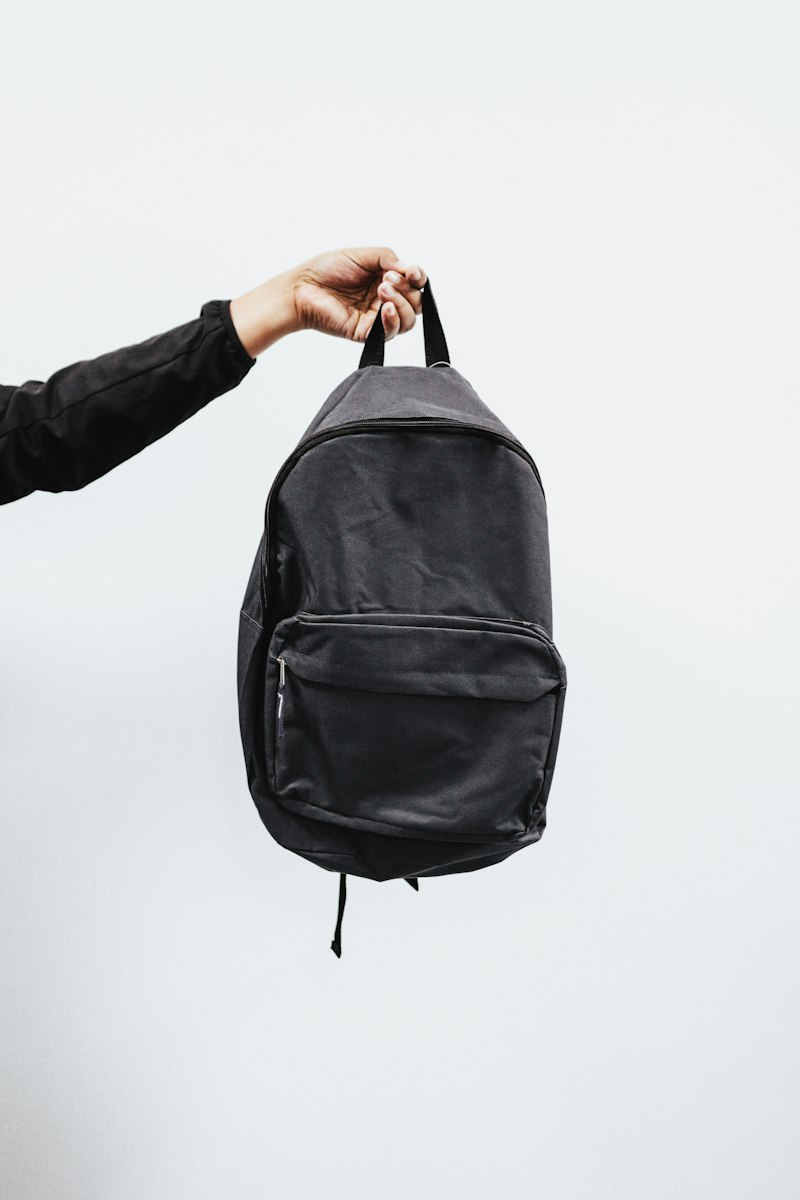
Affordable tier: 600D polyester urban daypack
A 20L urban daypack made in China from 600D polyester, produced at a 300-unit run, breaks down roughly like this:
| Component | Per unit | Notes |
|---|---|---|
| Shell fabric (600D polyester) | $6.30 | |
| Lining | $2.50 | |
| Foam padding (back panel + straps) | $2.00 | |
| CMT (labor, incl. strap + hardware setting) | $32.00 | |
| Zips (YKK) | $2.50 | |
| Buckles + webbing | $1.80 | |
| Labels, sampling, QC, buffer, freight, duties | ~$7.72 | combined |
| TOTAL LANDED | $55.32 | |
| Retail (4x) | $221 | |
| Gross Margin | ~75% |
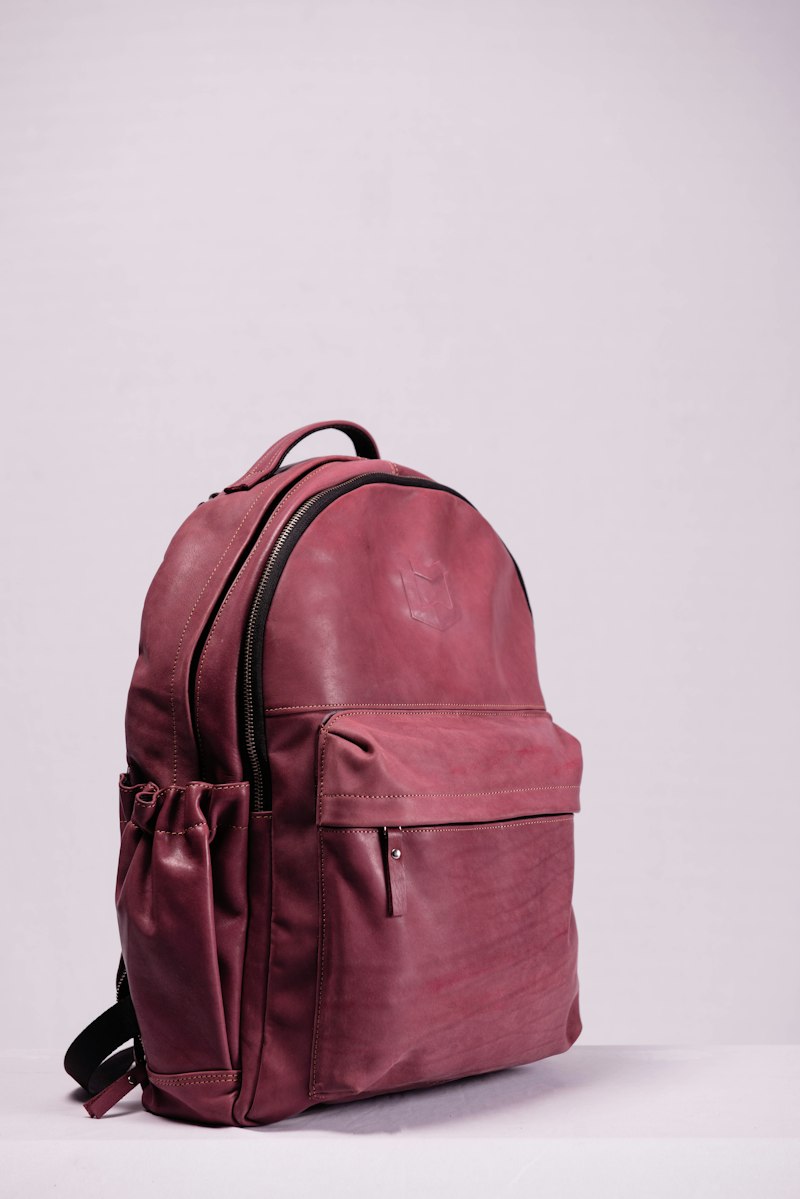
Premium tier: recycled nylon commuter pack
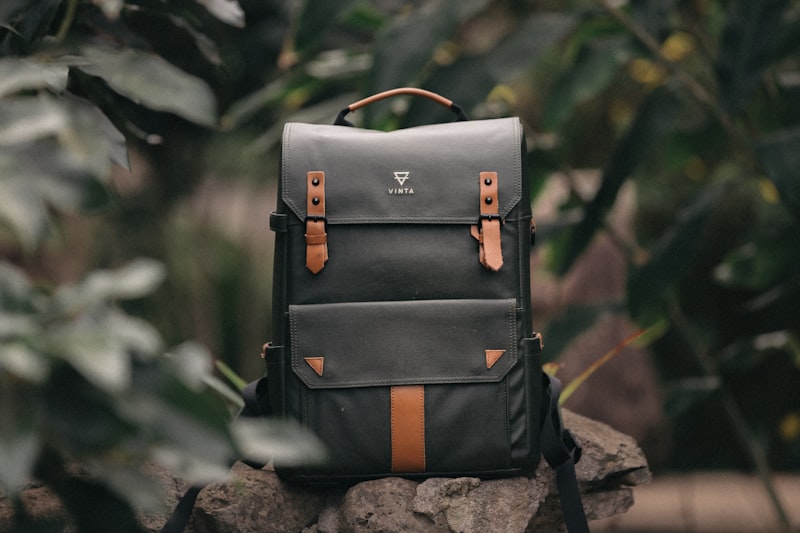
Step up to a 28L commuter pack in 420D GRS-certified recycled nylon, with a padded laptop sleeve, at a smaller 200-unit run:
| Component | Per unit | Notes |
|---|---|---|
| Recycled nylon shell (GRS-certified) | $22.07 | GRS x1.18 |
| Lining + organizer fabric | $4.00 | |
| Foam padding (back + laptop sleeve + straps) | $4.50 | 15mm EVA foam sleeve |
| CMT | $64.00 | |
| Zips + hardware | $9.00 | All YKK |
| Sampling, QC, buffer, freight, duties | ~$14.15 | combined |
| TOTAL LANDED | $119.72 | |
| Retail (3-3.5x) | $359–$419 | |
| Gross Margin | ~67–72% |
CMT — not fabric — is the single largest cost line in both tiers.
$32 of $55.32 on the daypack; $64 of $119.72 on the commuter pack.
What drives each line
Every line in those tables traces back to one or two decisions you make in the tech pack. Here is which decision moves which number, and where to read more on each.
Cost drivers
Shell fabric
denier and fibre
600D polyester at $6.30 vs 420D recycled nylon at $22.07 per unit: a 3.5x jump that comes from fibre and certification, not thickness.
Heavier denier adds abrasion resistance and weight; it is a durability decision more than a price one. See the denier guide below.
CMT (labor)
the biggest lever
Doubles from $32 to $64 between the two tiers. Each extra zip install, padded panel and bar-tacked strap point adds sewing time.
An unlined, lightly padded fashion daypack can run as low as $18–24 CMT at affordable tier.
Zips
cheap to get right
$2.50 per unit for YKK on the daypack. A cheaper zip saves cents and is the most common reason a backpack gets returned. See the zip guide below.
Straps and padding
safety, not styling
Foam is only $2.00–4.50 per unit, but strap attachment drives CMT and QC time, and a strap that tears off is a liability rather than a defect.
Water repellency
a finish, not a fabric
A DWR finish is applied to the shell; it decides whether the pack sheds rain or soaks up water, and it needs to be specified and tested like any other line.
How run size changes the price
Both breakdowns assume calibrated runs of 200–300 units. Smaller runs cost more per unit because setup, sampling and line time are spread over fewer pieces.
Worth knowing
Runs of 50–99 units can carry a 28–35% surcharge over calibrated 300–500 unit pricing. Made-to-order and pre-order production is how independent designers start below that range without holding stock.
Where to cut, and where not to
- Cut: the laptop sleeve and hip belt if your customer doesn't need them. Each is a deliberate cost decision that adds padding, zips and CMT, not a small add-on.
- Cut: lining on a fashion daypack. An unlined shell removes a fabric line and sewing time.
- Cut: certified recycled fabric if it doesn't fit the brand story. It is the single biggest material premium in the premium tier.
- Don't cut: zip quality. It costs cents per unit and causes the most returns.
- Don't cut: strap attachment and its testing. That is the one spec with a safety consequence.
The takeaway
A $55 daypack and a $120 commuter pack differ mostly in labor. Decide the tier first, then spend on the lines customers notice when they fail: zips, straps and water repellency.
Powered by Sparkit — real CMT and MOQ data across 13+ material categories.
Related Reading
Which shell fabric to specify, and what each does to cost.
Why a technical commuter pack costs roughly 2x a fashion daypack.
Which zip type and size to spec on each opening.
The strap attachment spec that can't be compromised.
How to spec and test water repellency.