Same Factory, Double the Price: Why a Commuter Backpack Costs 2x a Fashion One
Walk through any bag aisle and you'll see everything from a slim, minimal daypack to a padded commuter pack with a laptop compartment and hip strap — and they're often made in the exact same type of factory, using the same core construction logic. So what separates them, and why does one cost roughly double the other to produce?
Same factory, different priorities
Both fashion and technical backpacks come out of a specialist technical bag factory — one equipped with webbing bar-tack machines, zip feed systems, foam lamination presses, and strap padding equipment. The construction family is shared. What changes is how much of that capability gets used.
Fashion vs technical
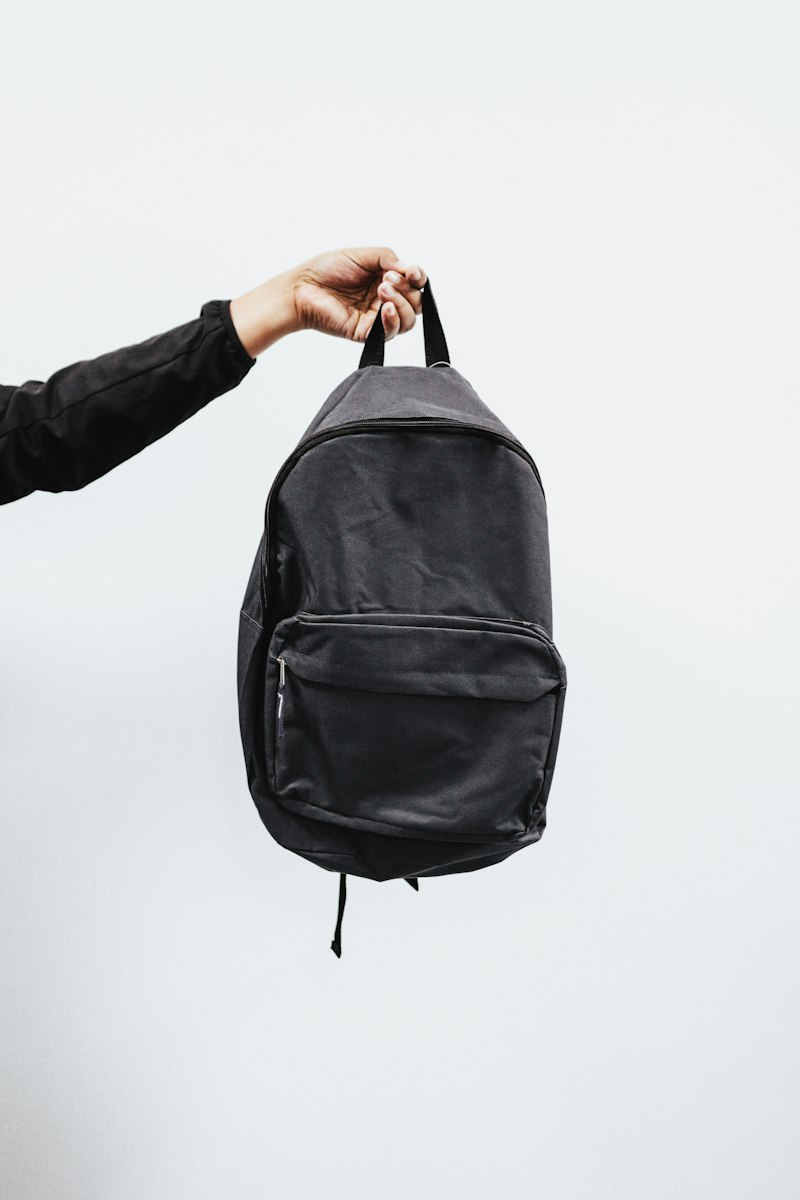
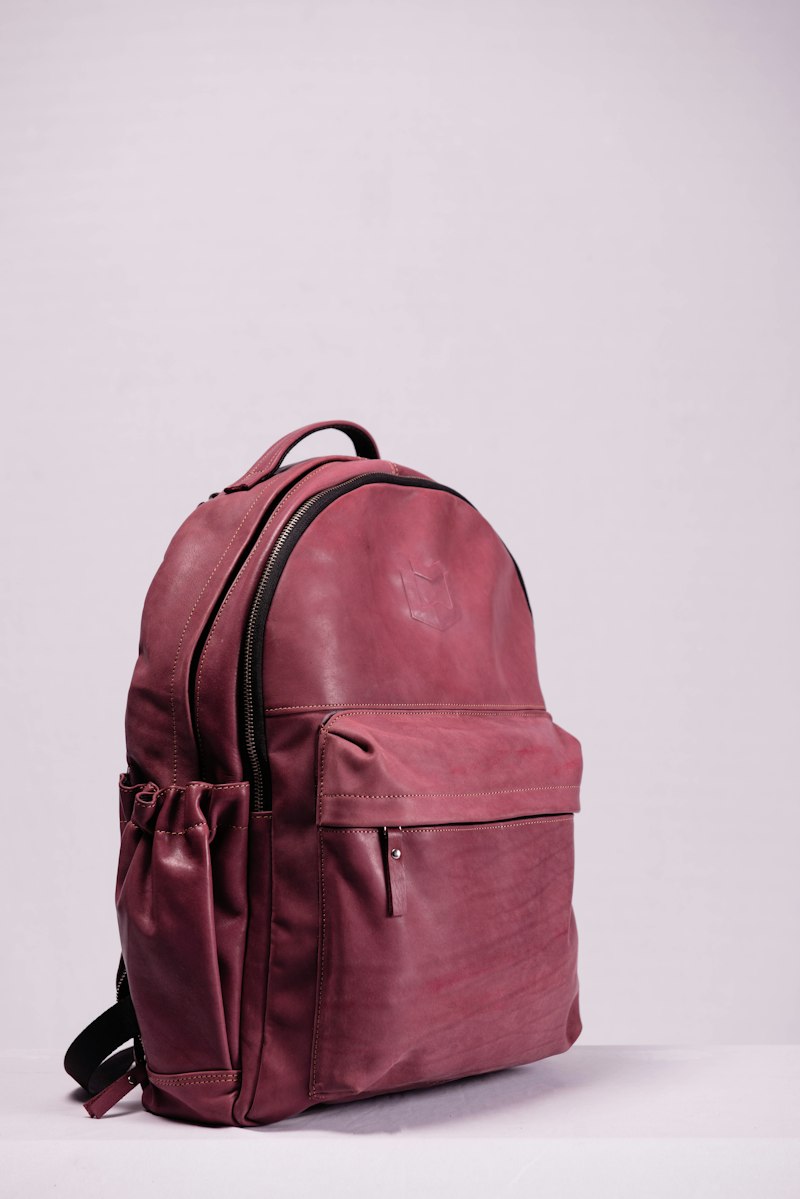
Fashion backpack (12–20L)
aesthetic first
Shell fabric, color, graphics, and silhouette do the talking.
Minimal internal organization, light padding or none at all, no laptop sleeve.
Lower CMT — roughly $18–30 depending on tier.
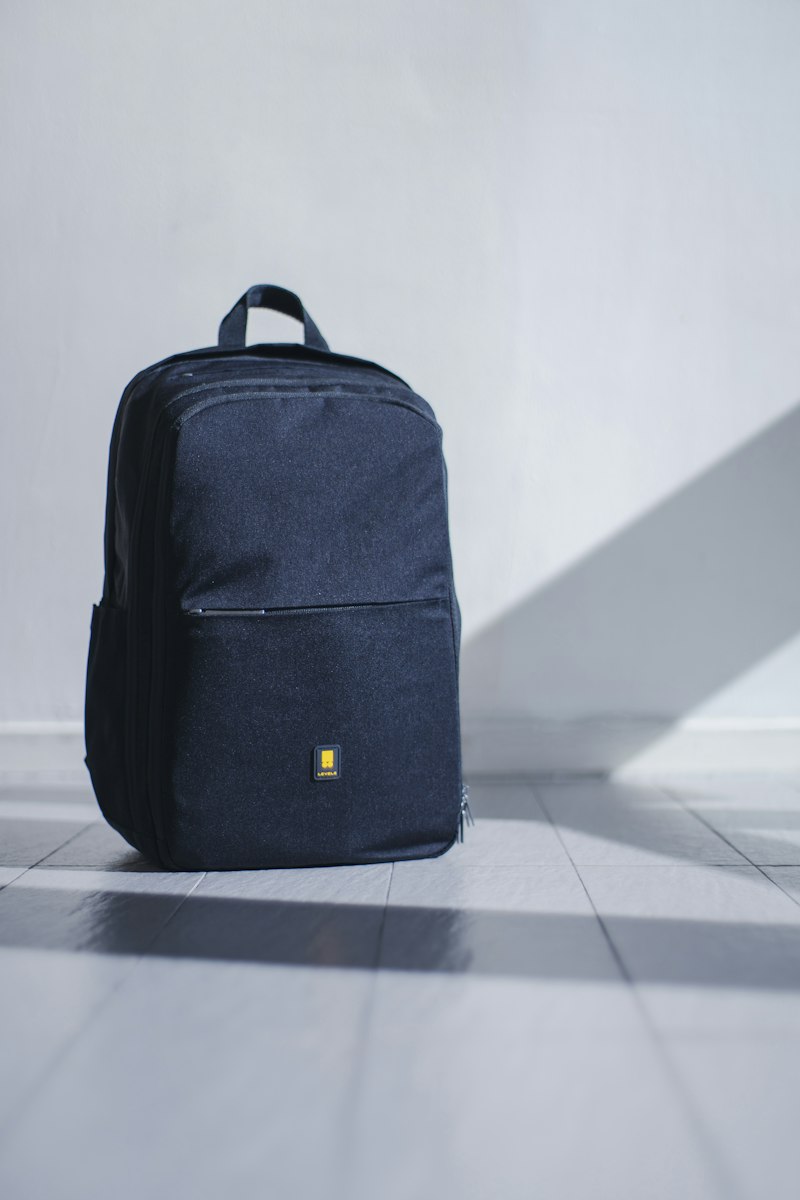
Technical / commuter backpack (25–35L)
function first
Padded laptop sleeve, ergonomic padded back panel, optional hip and sternum strap.
Multiple organizer pockets.
Significantly higher CMT — roughly $42–78, more than double the fashion daypack.
The cost difference isn't fabric — it's labor.
CMT roughly doubles from fashion to technical construction.
Why the CMT gap is so wide
A fashion pack and a technical pack can use identical shell material. It's the labor: more zips, more bar-tacking, more padding assembly, more quality checkpoints — especially around strap safety testing. CMT, not material, is what you're really paying for when you move from a fashion daypack to a technical commuter pack.
Which should you build first?
If you're an independent creator weighing where to start, the fashion daypack is the lower-cost, lower-complexity entry point. A commuter pack is a bigger production and quality-control commitment, but it opens a different customer and often a higher, more defensible retail price.
The takeaway
Fashion and technical backpacks share a factory and a construction family — what you're actually paying for as CMT climbs is added labor, not better fabric.
Powered by Sparkit — construction and CMT benchmarks across 13+ material categories.